











-150x150.png)

















 Геотекстиль: ваш надежный друг для любых почвенных приключений:)
Геотекстиль — это как сертифицированный психотерапевт для вашего грунта. Когда почва в стрессе от нагрузок, воды или корней, геотекстиль появляется с лозунгом: «Расслабься, я все сделаю за тебя».
Итак, разберем, кто такой этот герой в мире стройки и ландшафтного дизайна, какие у него есть суперспособности и где он превращает «разруху» в стабильность.
Что такое геотекстиль?
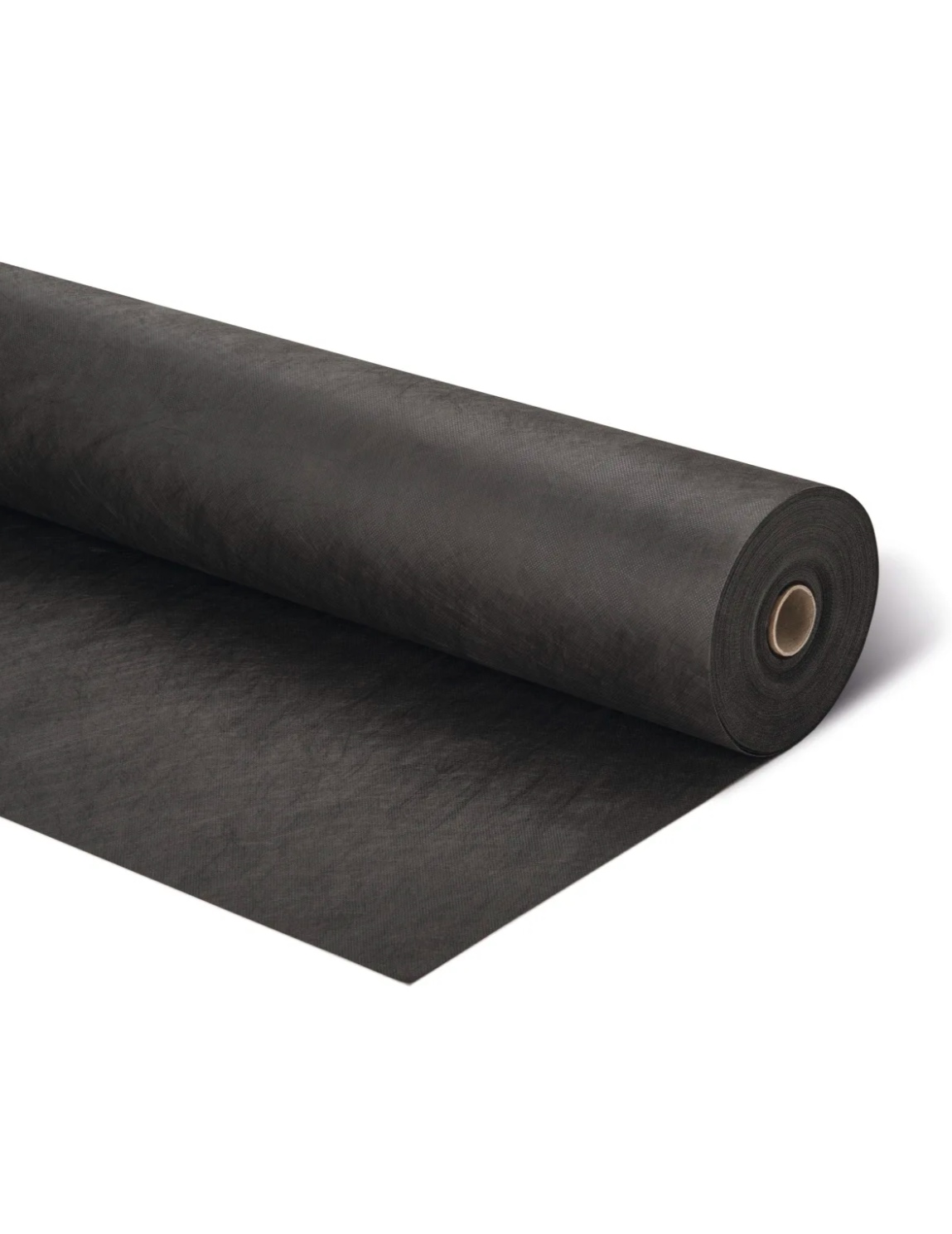
Это нетканый или тканый материал из полипропилена или полиэстера. Прочный, выносливый, гибкий — как йог, только из синтетики. Его главная задача — работать между слоями грунта, разделяя, фильтруя, армируя или дренируя их.
Какие бывают виды геотекстиля?
-Тканый геотекстиль — строгий парень в костюме. У него отличная механическая прочность, что делает его идеальным для автодорог, аэродромов и прочих мест, где тяжелая техника оставляет свои следы.
-Нетканый геотекстиль — более мягкий и податливый, но не менее эффективный. Он отлично справляется с дренажем и защитой от эрозии, идеально подходит для дачных участков и озеленения.
-Термоскрепленный геотекстиль — комбо-версия с повышенной прочностью и устойчивостью к разрывам. Его любят за возможность выдерживать большие нагрузки.
Размеры и плотность: что выбрать?
Как и джинсы, геотекстиль подбирают по размеру и плотности.
Ширина рулона: обычно 1–7 метров. Выбирайте в зависимости от того, накрываете вы клумбу или строите парковку.
Длина: чаще всего 50–100 метров. Идеально для тех, кто не любит бегать в магазин за добавкой.
Плотность:
-80–150 г/м² — для легких задач вроде ландшафтного дизайна.
-150–300 г/м² — для дорог и парковок.
-300+ (до 1000) г/м² — для тех, кто строит что-то серьезное, вроде дамбы или взлетной полосы.
А как насчет цветов?
Геотекстиль не гонится за модой, но выбирает практичность:
-Белый — чаще для фильтрации и дренажа.
-Черный — идеален для подавления сорняков (сорнякам в темноте не до роста).
-Серый — универсальный, подойдет для любых работ.
Возможны и другие цвета.
Где применяется геотекстиль?
1. В строительстве:
Дороги, тротуары, парковки — чтобы все слои дружили и не мигрировали.
Фундаменты — для предотвращения просадок.
2. В ландшафтном дизайне:
Стабилизация склонов — чтобы земля не ушла «в закат».
Искусственные водоемы — защита пленки от камней и корней.
3. На даче:
Борьба с сорняками — накрыли участок, засыпали гравием, и сорняки забыли, как расти.
Дренаж — чтобы лишняя вода ушла к соседям (шутка, конечно, но работает).
4. В сельском хозяйстве:
Разделение слоев почвы — для здорового роста культур.
Геотекстиль: мифы и реальность
Миф: Его сложно укладывать.
Реальность: Разложить геотекстиль проще, чем постелить постель. А вот результат останется на годы.
Миф: Это дорого.
Реальность: Стоимость геотекстиля несопоставима с затратами на ремонт плохо сделанных дорог или осевших конструкций.
А еще... вот вам несколько нестандартных способов применения геотекстиля:
1. "Антигрязевые коврики" для активного отдыха
Любите пикники, но ненавидите грязь и влагу? Берите кусок геотекстиля! Разложите его под одеяло, и никакой сырой грунт вам не страшен. А если запачкается, просто встряхните — он не впитывает грязь и воду.
2. Сад без сорняков... на балконе
Если выращиваете овощи или зелень в ящиках, используйте геотекстиль вместо обычного дренажа. Он удерживает грунт, пропускает воду и предотвращает засорение отверстий. Минимум грязи, максимум удобства.
3. Растения в рулоне
Хотите быстро создать живую изгородь или "зеленую стену"? Сделайте карманчики из геотекстиля, наполните их землей и посадите растения. Этот лайфхак подойдет даже для вертикального озеленения — материал прочный и не гниет.
4. "Тапочки для строительной техники"
Если вам нужно загнать тяжелую технику на мягкий грунт, постелите геотекстиль. Он предотвратит провалы колес и сохранит дорогу в приличном состоянии. Эдакий лайфхак для дачи или небольших стройплощадок.
5. Укрытие для дров и стройматериалов
Вместо того чтобы тратить деньги на дорогие тенты, используйте геотекстиль. Он хорошо защищает от влаги и грязи, при этом пропускает воздух, чтобы не образовывался конденсат. Дрова останутся сухими, а металлы — без ржавчины.
6. Коврик для пляжа "без песка"
Геотекстиль легко стряхивается от песка и не пропускает его через структуру. Звучит как спасение для тех, кто ненавидит убирать песок из всего после отдыха на пляже.
7. Основа для спортивных площадок
Хотите устроить волейбольную площадку во дворе? Расстелите геотекстиль под песок или щебень. Он предотвратит их смешивание с грунтом, а значит, ваш мини-стадион прослужит дольше.
8. Творчество и дизайн
Любите "Сделай сам"? Из геотекстиля можно шить необычные вещи: сумки для сада, органайзеры для инструментов или даже декоративные элементы. Его текстура смотрится интересно, а материал выдерживает экстремальные нагрузки.
9. Ледовый каток своими руками
Если зимой мечтаете о своем катке, геотекстиль станет отличной основой. Он предотвратит утечку воды и равномерно распределит нагрузку, сохраняя лед стабильным даже на неровной почве.
10. Защита вещей в походе
Если в вашем рюкзаке нет гермомешка, сверните вещи в кусок геотекстиля. Он легкий, водонепроницаемый и защитит от грязи и влаги. А после можно использовать его как подстилку или укрытие.
Вывод:
Если бы геотекстиль был супергероем, его девиз звучал бы так: «Я разделю, защитю и укреплю». Он не бросается в глаза, но делает свою работу так, что вы об этом даже не вспоминаете. А разве не это высшая похвала для любого материала?
Геотекстиль — это материал на все случаи жизни, и его потенциал ограничен только вашей фантазией. Зачем быть скучным, если можно превратить стройматериал в многофункциональный гаджет для повседневной жизни?
Так что, в следующий раз, когда будете строить, копать или укреплять — подумайте о геотекстиле. Это ваша земля, и она заслуживает лучшего!
Leave a Comment