










-150x150.png)
















Când sunt necesare gabioanele: unde și de ce sunt utilizate
Gabioanele reprezintă o soluție universală în construcțiile private și industriale, în designul peisagistic și în protecția inginerească a terenurilor. Acestea sunt utilizate pentru consolidarea pantelor, a malurilor râurilor și a zidurilor de sprijin, dar și ca element arhitectural și decorativ.
În acest articol vom analiza când gabioanele sunt cu adevărat necesare și de ce sunt preferate la nivel mondial – din Rusia și Europa până în SUA și Africa.
Ce sunt gabioanele
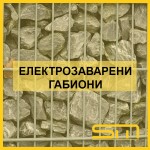
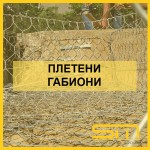
Gabioanele sunt structuri metalice din plasă împletită sau sudată, umplute cu piatră, piatră spartă sau alte materiale inerte.
Ele sunt disponibile sub formă de:
cutii,
saltele,
cilindri.
Principalele proprietăți ale gabioanelor:
rezistență mecanică ridicată,
permeabilitate excelentă la apă,
rezistență la deformări,
caracter ecologic,
adaptabilitate la orice tip de proiect.
Când este necesară consolidarea unei pante sau a terenului
Una dintre principalele utilizări ale gabioanelor este stabilizarea solului.
Acestea sunt recomandate atunci când:
terenul este în pantă,
există risc de alunecări de teren,
solul este afânat sau saturat cu apă,
apar mișcări ale maselor de pământ.
Spre deosebire de zidurile din beton, structurile din gabioane nu se fisurează la tasare, ci lucrează împreună cu solul, adaptându-se mișcărilor acestuia.
De aceea, gabioanele sunt utilizate frecvent:
în zone montane,
pe malurile râurilor și lacurilor,
de-a lungul autostrăzilor și căilor ferate.
Când există apă, eroziune și inundații
Dacă pe teren sau în apropiere există:
râu,
pârâu,
ravină,
canal de drenaj,
cursuri de apă sezoniere,
gabioanele sunt una dintre cele mai eficiente soluții pentru protecția împotriva eroziunii.
Apa nu exercită presiune directă asupra gabioanelor, așa cum se întâmplă în cazul betonului – ea trece printre pietre și își pierde energia. Drept urmare:
malurile nu sunt erodate,
solul este protejat,
structura rămâne stabilă în timp.
Gabioanele sunt utilizate pentru:
consolidarea malurilor râurilor,
protecția digurilor,
consolidarea culeelor de pod,
albii ale râurilor sezoniere din regiuni aride.
Când este necesar un drenaj eficient
Gabioanele sunt extrem de eficiente în zonele cu probleme de acumulare a apei. Ele:
permit scurgerea liberă a apei,
nu creează presiune hidrostatică,
previn subspălarea fundației.
Acest lucru le face ideale pentru:
ziduri de sprijin,
pante,
terasamente,
terenuri cu nivel ridicat al apei freatice.
Când se caută o soluție durabilă și economică
Structurile din gabioane sunt apreciate pentru eficiența lor economică:
nu necesită utilaje grele,
pot utiliza materiale locale,
montajul este mai simplu comparativ cu betonul,
întreținerea este minimă.
Durata de viață a gabioanelor este de zeci de ani. Plasa zincată sau acoperită cu polimer este rezistentă la coroziune, umiditate și îngheț.
Când contează ecologia
Gabioanele sunt considerate o soluție ecologică. În timp:
solul se acumulează între pietre,
vegetația se dezvoltă,
se formează micro-ecosisteme,
structura se integrează natural în peisaj.
De aceea, gabioanele sunt utilizate frecvent în proiecte de refacere a malurilor și albiilor râurilor, fără a perturba procesele naturale.
Când se dorește un design modern și estetic
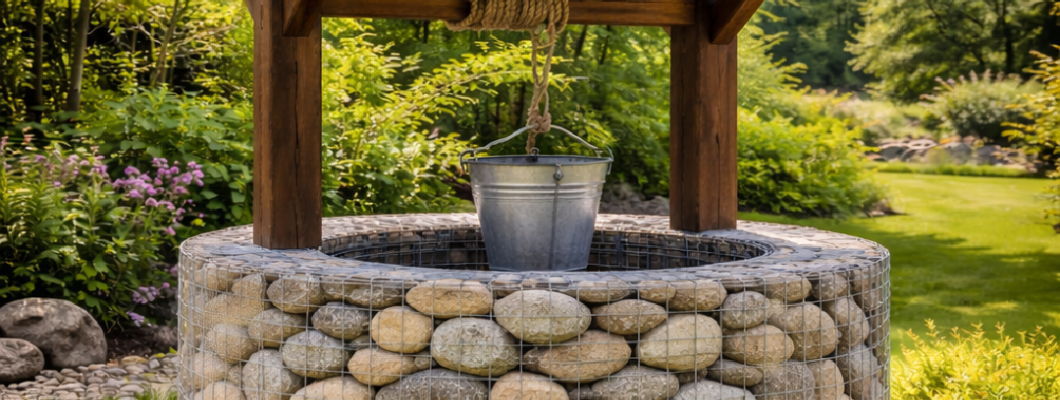
Astăzi, gabioanele nu sunt doar o soluție inginerească, ci și un element arhitectural. Ele sunt utilizate pentru:
garduri,
ziduri de sprijin,
fațade,
ecrane fonice,
bănci și elemente decorative.
Aspectul lor natural, modern și elegant le face populare în complexe rezidențiale de lux, parcuri și spații publice.
Concluzie
Gabioanele sunt soluția potrivită atunci când:
solul este instabil,
există apă și risc de eroziune,
este necesar un drenaj eficient,
se caută durabilitate,
se dorește un rezultat ecologic și estetic.
Ele reprezintă un sistem universal, eficient în proiecte inginerești, peisagistice și arhitecturale.